

Managing Cost, Risk and Disruption
When something fails in a commercial building, the immediate question is usually how quickly it can be repaired.
But the effects can extend well beyond the equipment itself. A heating fault may leave rooms unusable. A drainage problem can interrupt access or daily operations. A roof leak can put stock, equipment and internal finishes at risk.
Alongside the repair, someone needs to coordinate contractors, communicate with building users and organise temporary arrangements. What starts as a maintenance issue can quickly become an operational problem.
Understanding the balance between planned and reactive maintenance helps organisations manage those pressures. It also provides information for longer-term capital expenditure, or CAPEX, decisions.
What Is the Difference Between Planned and Reactive Maintenance?

Planned maintenance is work arranged in advance, such as scheduled servicing, inspections and checks. Planned preventative maintenance (PPM) focuses on helping prevent faults and keeping assets working effectively. These activities also help assess performance and identify issues that may need attention.
An inspection might reveal a worn component, for example, allowing a repair to be scheduled before the equipment stops working.
Reactive maintenance takes place in response to a fault or failure. That could mean restoring a heating system, resolving a drainage blockage or repairing a damaged door.
Both approaches have a place in commercial building management. The important question is whether the approach suits the asset, its condition and the consequences of it failing.
The Repair Invoice Is Only Part of the Cost
Consider a hypothetical heating failure during a busy working week.
The direct costs might include diagnosis, replacement parts and labour. Depending on the building and the severity of the fault, there could also be temporary heating to arrange, rooms to relocate or activities to reschedule.
Staff may spend time managing the response instead of their usual work. If replacement equipment is needed, there may be limited time to compare options or coordinate installation.
Other failures create different pressures. A drainage issue may restrict the use of facilities, while water ingress can affect areas beyond the original defect.
Not every reactive repair will be costly or disruptive. However, assessing the wider impact of failure gives a more useful picture than looking at repair costs alone.
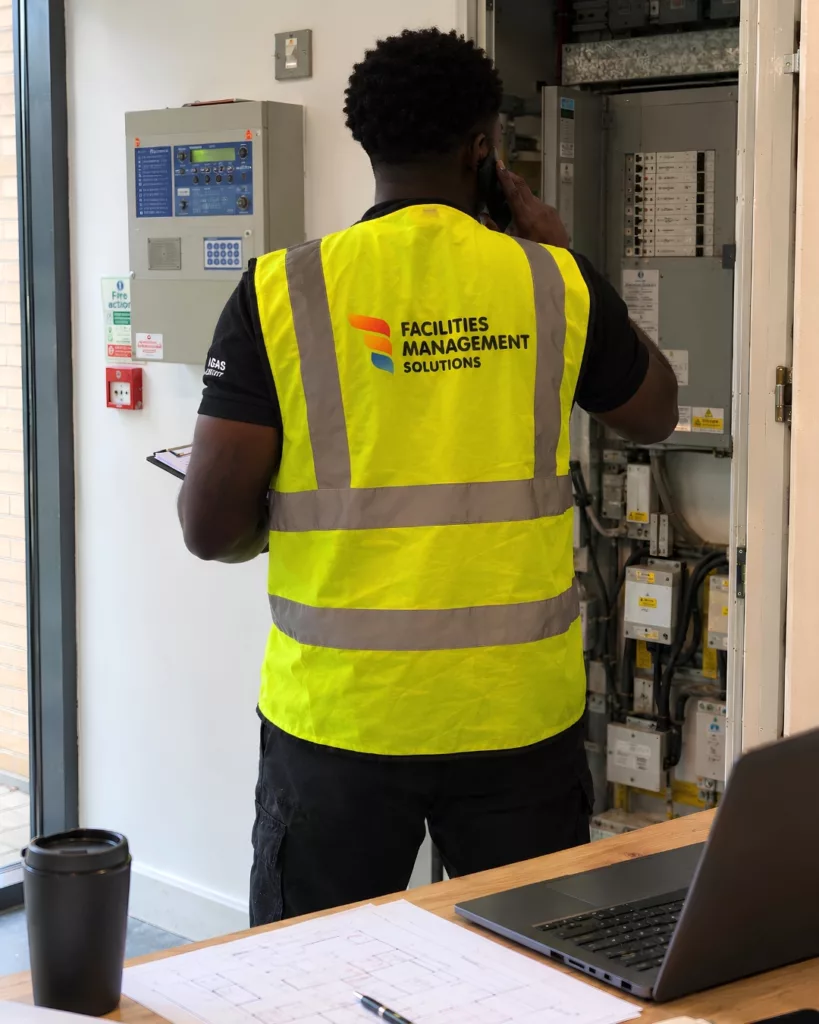
Which Assets Need Planned Attention First?
A practical maintenance strategy starts with understanding what is in your building and what your organisation depends on.
An accurate asset register provides a foundation, but condition, service history and operational importance also matter. Useful questions include:
- What would happen if this asset stopped working?
- Is there a backup or alternative?
- Has it developed recurring faults?
- Are parts and specialist support readily available?
- Would repair or replacement require a shutdown?
- Are there outstanding recommendations from previous inspections?
For example, a heating system serving an entire occupied building may need a different level of planning from a small, non-critical item that can be replaced easily.
An asset survey can help establish what equipment is present and its condition, supporting maintenance priorities and future investment planning.
The aim is to direct attention where it makes the greatest difference, while keeping relevant servicing, inspection and safety requirements in view.
Plan Work Around Your Operations
Identifying a problem early can create more options for dealing with it.
Work may be scheduled outside occupied hours, during a planned shutdown or within school holidays. Access arrangements, contractors and materials can be coordinated before the work begins.
This is particularly useful where maintenance affects several parts of a building or requires input from different specialists.
For commercial heating systems, planning might involve reviewing condition and service findings before periods of higher demand. For drainage systems, recurring blockages may justify investigation into the underlying cause rather than treating each incident separately.
Planned maintenance cannot prevent every failure. It can, however, give organisations more opportunities to identify concerns and choose a suitable time to act.
How Maintenance Supports CAPEX Planning
Maintenance and capital investment should inform one another.
Routine servicing helps look after existing equipment. CAPEX planning considers significant investment in replacing or improving building assets.
Maintenance records can provide useful evidence for those decisions. Repeated faults, increasing repair requirements, poor performance or difficulty obtaining parts may indicate that an asset needs a more detailed review.
That does not automatically mean it should be replaced. It means the organisation has a reason to assess its options.
An informed review considers the initial replacement cost alongside ongoing maintenance, running costs, reliability and the operational effects of failure.
Looking ahead also creates time to:
- Develop a suitable specification and compare options.
- Prepare budgets and obtain internal approvals.
- Account for procurement and installation requirements.
- Coordinate work with other building projects.
- Phase investment according to condition, risk and operational needs.
Our article on planning CAPEX projects explores asset reviews, costed recommendations and phased delivery in more detail.
A capital plan should also be reviewed as circumstances change. New condition information, changing building use or different business priorities may affect what needs investment and when.
Repair, Monitor or Replace?
These decisions are rarely answered by equipment age alone.
An older asset may remain serviceable and suitable for its role. Another may need attention sooner because of its condition, reliability, environment or the demands placed on it.
Depending on the findings, the appropriate response might be a repair, closer monitoring, a change to maintenance arrangements or planned replacement.
Recurring repairs deserve particular attention. Reviewing them together can reveal a pattern that is less obvious when each call-out is considered in isolation.
Where replacement is justified, repeatedly postponing it can leave less control over timing and delivery. Our article on the risks of delaying CAPEX examines how deferred investment can affect building operations and future costs.
Reactive Maintenance Still Has a Place
A balanced maintenance strategy includes arrangements for responding when things go wrong.
Some low-cost, non-critical items may reasonably be replaced when they fail, provided that approach is safe, appropriate and consistent with any applicable inspection or maintenance requirements. The same decision may be unsuitable for equipment whose failure would significantly interrupt operations.
Even well-maintained assets can develop unexpected faults. Knowing who to contact, what information to provide and what temporary arrangements may be needed helps make the response more organised.
For critical equipment, contingency planning should sit alongside maintenance and replacement planning.
Turning Maintenance Information into Action
Reports are useful only when their findings lead to appropriate decisions.
Recommendations need to be reviewed, priorities agreed and actions assigned. Without that follow-through, the same issue may appear in successive reports while remaining unresolved.
For organisations managing multiple contractors, systems or premises, maintaining that oversight can be demanding.
FMS+ Commercial Building Management provides coordinated support according to an organisation’s agreed package. This can include monitoring maintenance schedules, reviewing condition reports and helping prioritise maintenance and improvement works.
Bringing those activities together helps connect day-to-day building requirements with longer-term plans.
A Practical Maintenance Review Checklist
To review your current approach, start with these questions:
- Asset information: Do we know what equipment we have, where it is and its condition?
- Operational priorities: Which failures would cause the greatest disruption?
- Maintenance: Are servicing and inspection schedules current?
- Follow-up: Have recommendations been reviewed and assigned to someone?
- Recurring faults: Are repeated problems being assessed together?
- CAPEX: Are likely replacement requirements reflected in future budgets?
- Contingency: What arrangements would we need if a critical asset failed?
Gaps in these answers provide a starting point for improvement.
Plan the Work Before Failure Sets the Timetable
Effective maintenance planning gives organisations a clearer understanding of their buildings, the risks they face and the investment they may need.
That visibility supports decisions about what to maintain, what to investigate and what to replace. It also helps teams schedule work around operational needs and prepare for expenditure before it becomes urgent.
FMS can help you assess building assets, coordinate maintenance requirements and plan future investment.
To discuss your maintenance and CAPEX priorities, call the FMS team on 01908 034040 or complete the form below.