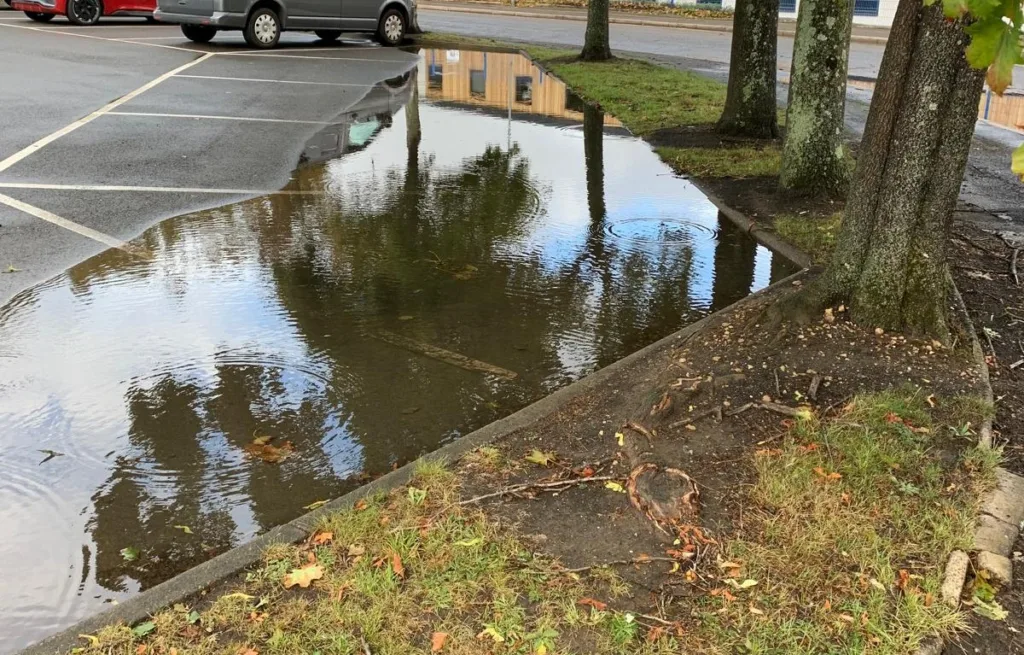
Flooding and water ingress is one of the most disruptive risks for commercial properties. From waterlogged warehouses or offices to damaged stock and equipment, the impact can be costly and stressful, especially when it happens unexpectedly. With historical weather patterns changing, now is the perfect time to take action and safeguard your business. This article offers a helpful starting point, highlighting key areas to stay on top of and simple steps you can take to reduce the risk of water damage.
Maintaining Drainage
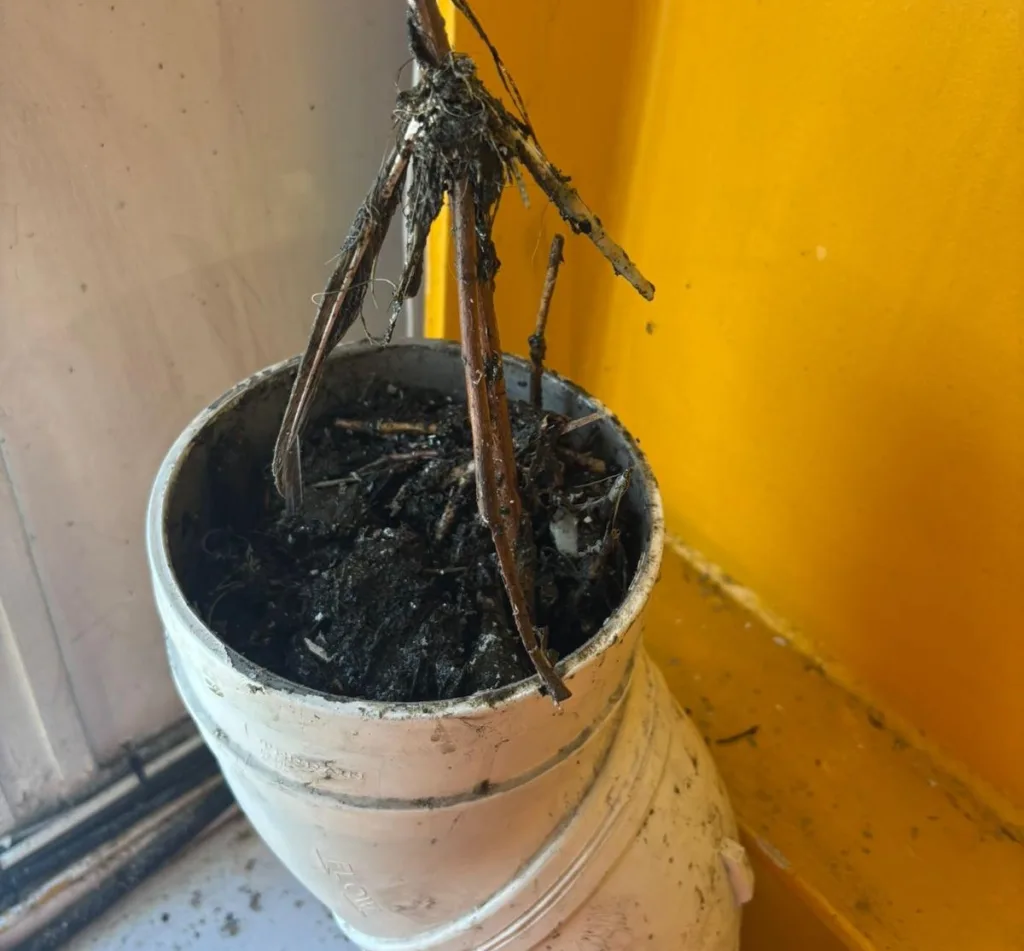
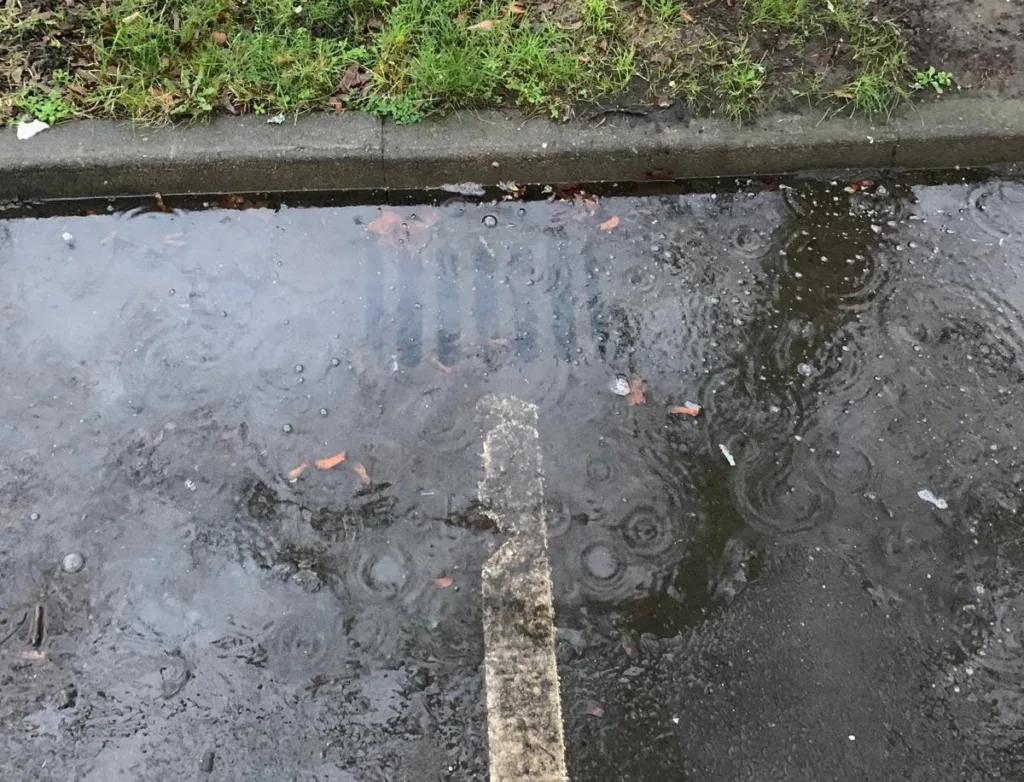
Regularly inspect both internal and external drains to make sure they’re flowing freely. Leaves, debris, and even silt can build up over time, reducing capacity just when you need it most. Pay attention to areas around car parks, loading bays, and basement levels, as blocked drains here can quickly lead to surface water flooding and water ingress into the building. CCTV surveys can uncover issues like root ingress, blockages or cracks before they become a major issue in the future.
Inspect Your Gutters
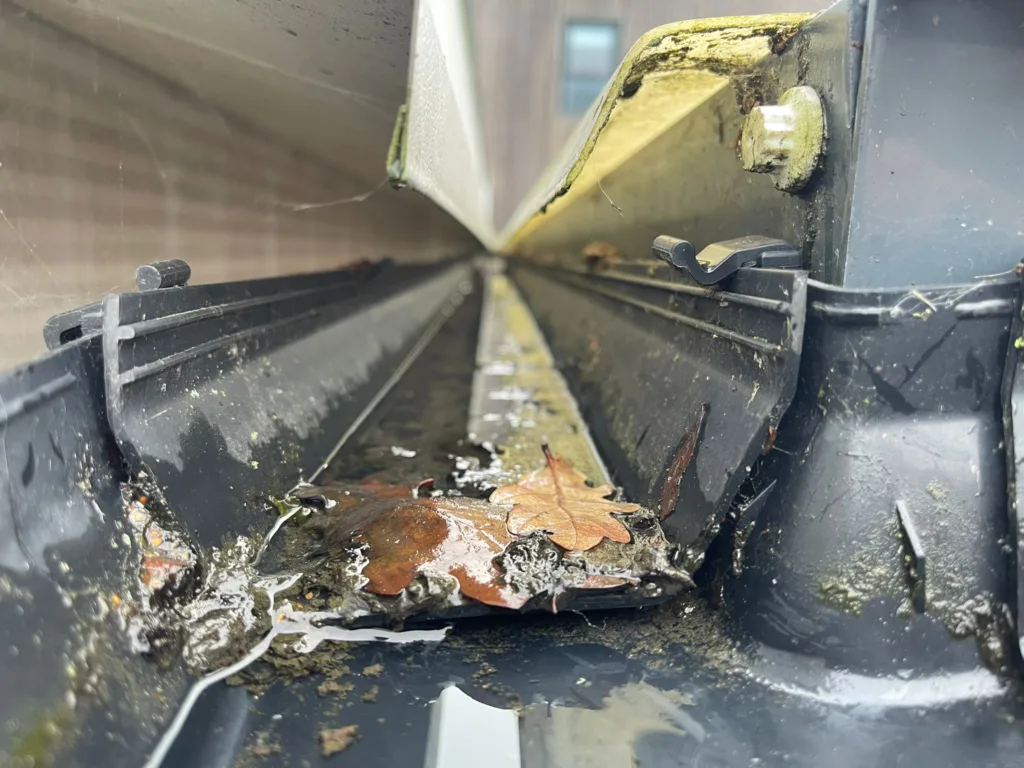
Gutters and roof gulleys play an important role in directing rainwater safely away from your building, but they’re often overlooked. Check that gutters are securely fixed, free from moss and debris, and not overflowing during rainfall. Even minor blockages or misaligned sections can send water down external walls, leading to damp issues and unwanted water entering the building. Routine cleaning can prevent minor issues from becoming major problems.
Maintain Your Downpipes
Downpipes are essential for carrying rainwater safely from gutters to ground-level drainage. Check they are securely fixed, free from cracks, and not blocked by debris. Damaged or obstructed downpipes can cause water to back up and overflow, increasing the risk of damp, structural damage, and flooding around the building. Again, CCTV surveys can ensure that there are no hidden blockages.
Maintain Your Water Systems
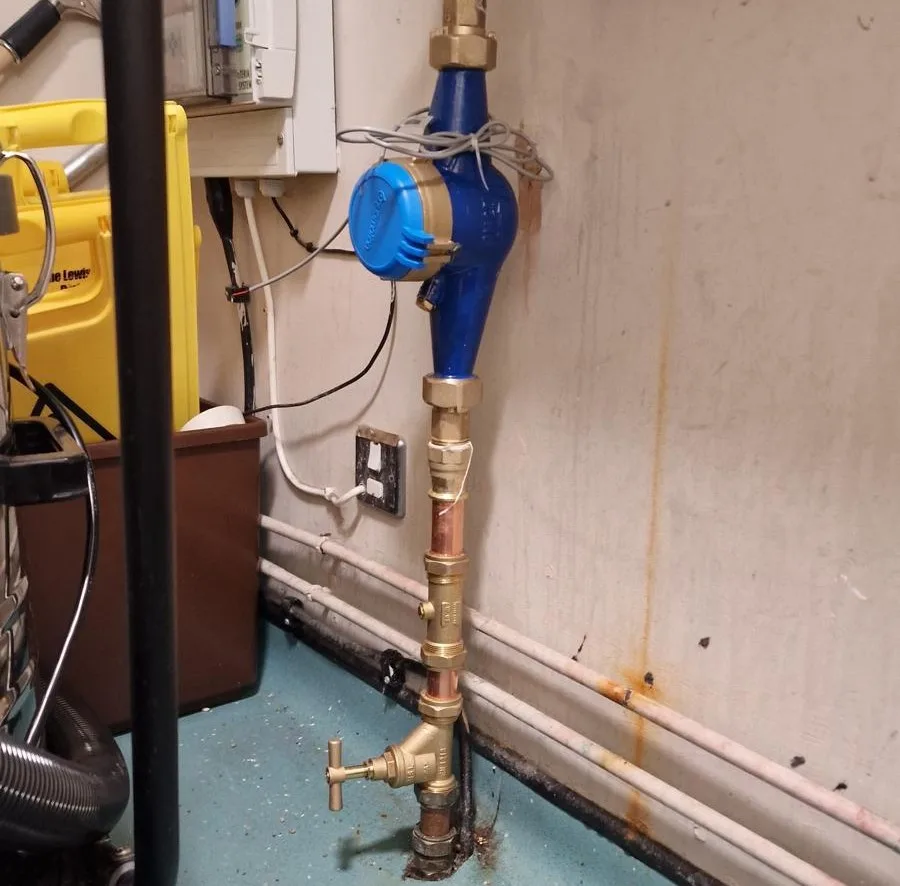
Knowing where your building’s main stop cock (water shut-off valve) are essential. Test them regularly to make sure they turn easily, so you can stop water flow quickly if a leak or pipe burst occurs. Proactive maintenance is always easier than emergency repairs when its needed and too late.
Plan for Rainwater Management
If your building uses water butts, storage tanks, or external drainage systems, ensure they have space to cope with heavy rainfall. Overflowing systems can add to surface water problems rather than reduce them, so keeping them clear and functional is key.
Develop a Flood Response Plan
A well-thought-out response plan can minimise disruption if water ingress does occur. This could include safe evacuation routes, moving valuable equipment to higher ground, and steps to protect sensitive areas like server rooms or valuable stock storage. Staff awareness is crucial as everyone should know their role in keeping the building safe. We’ve seen it before where there are bathrooms or kitchens located above server rooms. All it takes is a minor issue to create a major problem in a server room which can prove catastrophic for a business.
Small Steps, Big Protection
Water leak prevention doesn’t have to be complicated or expensive. Regular checks, basic maintenance, and a clear response plan can make a huge difference in protecting your business and reducing downtime. Preparing now means less stress and damage later, whatever the weather brings. Basic daily walk rounds or more detailed monthly checks can be extremely worthwhile, and potential problems can be spotted before a major issue occurs.
Don’t wait for the next downpour or pipe leak, take action today. Start with a simple property check and put a plan in place to safeguard your business before it’s too late.
If you need support with staying ahead of potential water damage, our team is here to help. We offer a free site survey to assess your site, identify potential risks, and recommend practical solutions tailored to your building.
- 01908 034040
- www.fmsolutions.co.uk/contact-us/
- [email protected]