
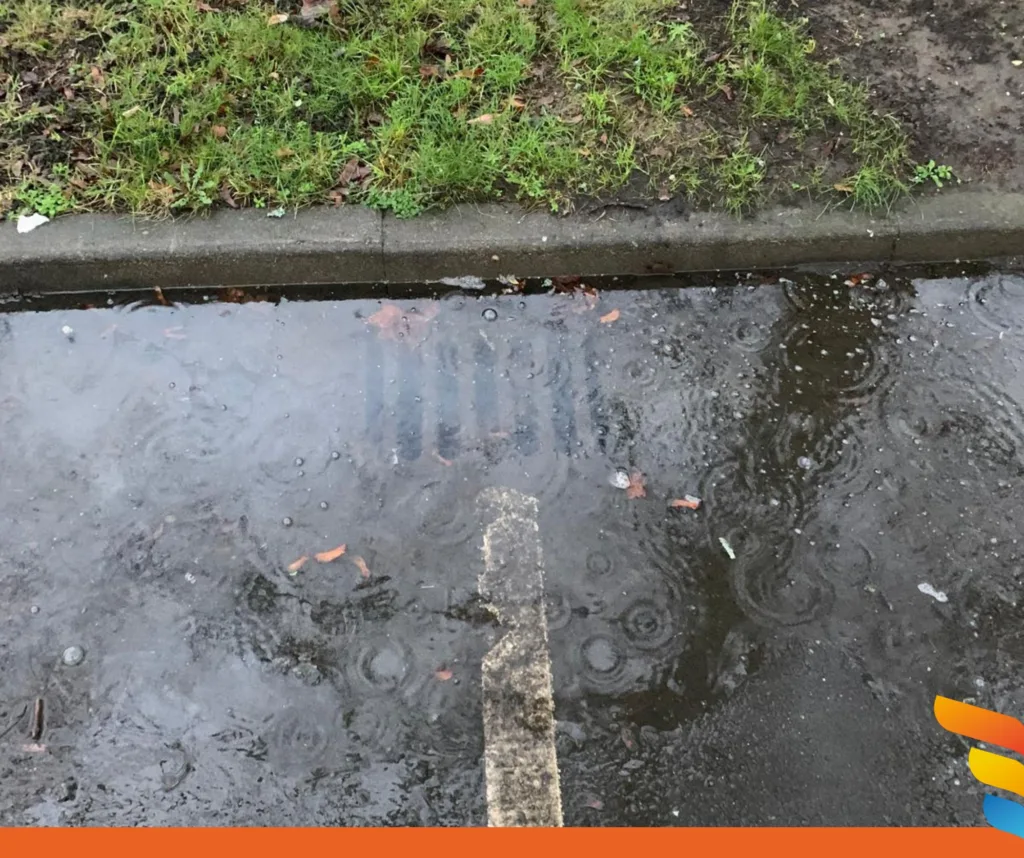
Delaying CAPEX may feel like a short-term saving, but it often increases long-term cost, compliance risk and operational disruption. For those responsible for commercial buildings and multi-site estates, proactive CAPEX planning is essential for controlling risk and protecting business continuity.
It’s completely understandable. Budgets are tight, priorities shift, and if a system is still just about working, it can feel sensible to put capital expenditure on hold.
But in building management, delaying CAPEX rarely buys you time. More often, it quietly stores up risk, increases whole-life cost, and removes your ability to plan strategically.
Let’s look at what really happens when CAPEX is pushed down the road.
The Cost Creep You Don’t See Coming
One of the first consequences of delaying CAPEX is cost and it’s rarely obvious at the start. Material prices rise, skilled labour remains in short supply, and projects that looked affordable one year can feel very different the next.
When an asset fails unexpectedly, you also lose the benefit of competitive tendering and planned scheduling. Emergency works come with premium labour rates, rushed procurement and out-of-hours callouts. What could have been a controlled CAPEX investment quickly becomes expensive reactive maintenance.
This is one of the clearest examples of why planned vs reactive maintenance has such a significant impact on facilities budgets.
Lead Times Turn Small Delays into Big Problems
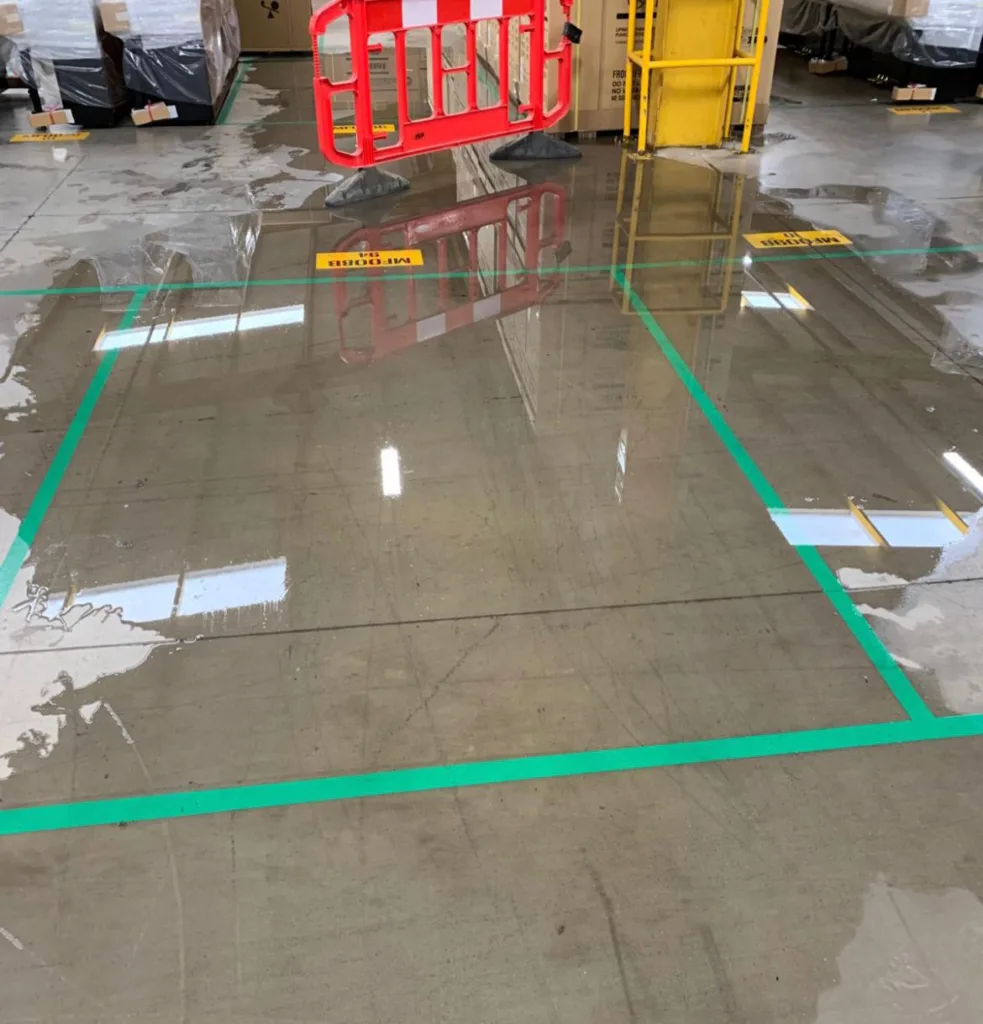
Many organisations still underestimate how much lead times now influence CAPEX risk. Boilers, AHUs, electrical panels, generators, roofing systems and specialist materials can carry lead times of several months.
When CAPEX planning is delayed, projects collide with winter demand, operational peaks or shutdown windows. Temporary solutions are often introduced just to keep buildings operational, adding further cost and complexity.
Early CAPEX planning gives facilities managers options. Late planning removes them.
Winter Is Unforgiving to Ageing Building Assets
Older assets often cope reasonably well, until they’re pushed hard. Winter is when weaknesses in commercial buildings show. Heating systems run continuously, drainage and roofs deal with sustained rainfall and freezing temperatures, and electrical systems are under greater load.
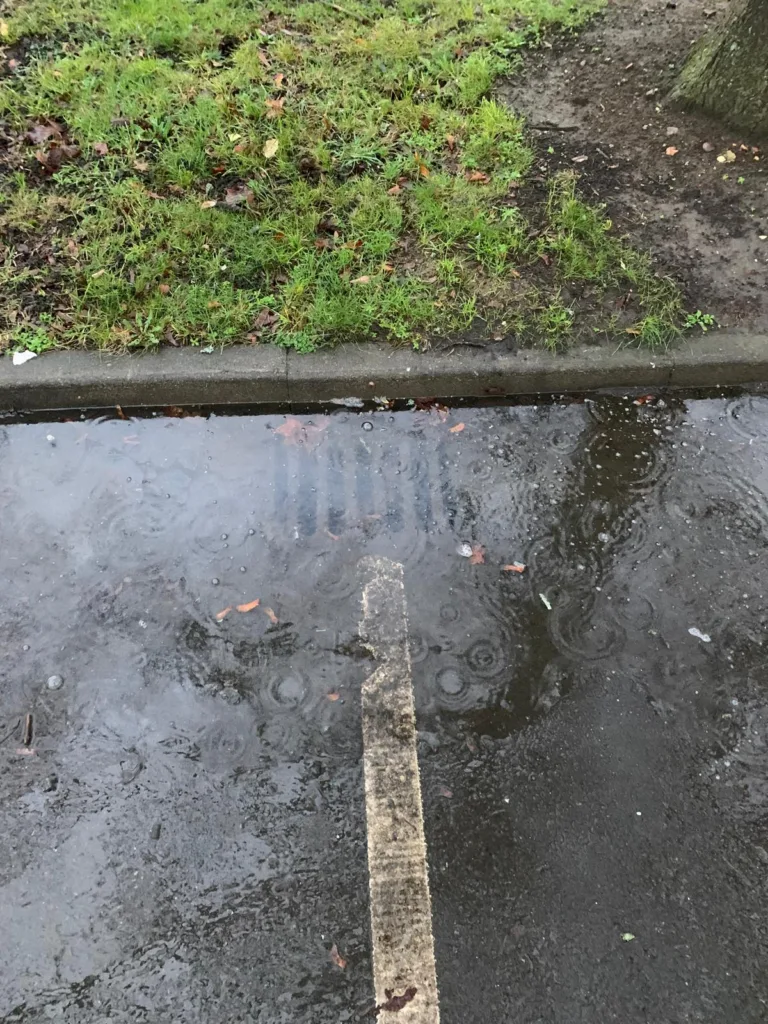
Failures at this time of year are rarely isolated. A boiler issue can lead to frozen pipework. A roofing defect can turn into water ingress and internal damage. Drainage failures can disrupt entire sites.
As FMS Director Dan Cole says, “We regularly speak to clients who plan to get through just one more winter with ageing systems, but when something fails during the coldest week of the year, costs rise fast and the disruption is far bigger than anyone hoped.”
This is where proactive investment in areas like
HVAC systems
drainage infrastructure
roofing and building fabric
can make a critical difference.
Compliance Risks Increase When CAPEX Is Delayed
Compliance doesn’t pause because budgets do. Fire safety, electrical systems, water hygiene, F-gas regulations and accessibility standards continue to evolve, and systems that were once compliant may no longer meet current expectations.
For commercial premises, delayed CAPEX increases exposure during audits, insurance reviews and incident investigations. Addressing compliance through planned capital investment allows issues to be resolved proportionately, rather than under regulatory or insurer pressure.
Insurance Providers Are Paying Attention
Insurers are increasingly focused on asset lifecycle planning and condition. Where systems are clearly beyond end-of-life, organisations may face higher premiums, exclusions, or challenges at claim stage.
From a risk perspective, CAPEX is no longer just a facilities concern, it’s part of protecting insurability and financial resilience.
Reactive Spend Is Always the Most Expensive Spend
There’s a persistent belief that delaying CAPEX saves money. In practice, the opposite is usually true.
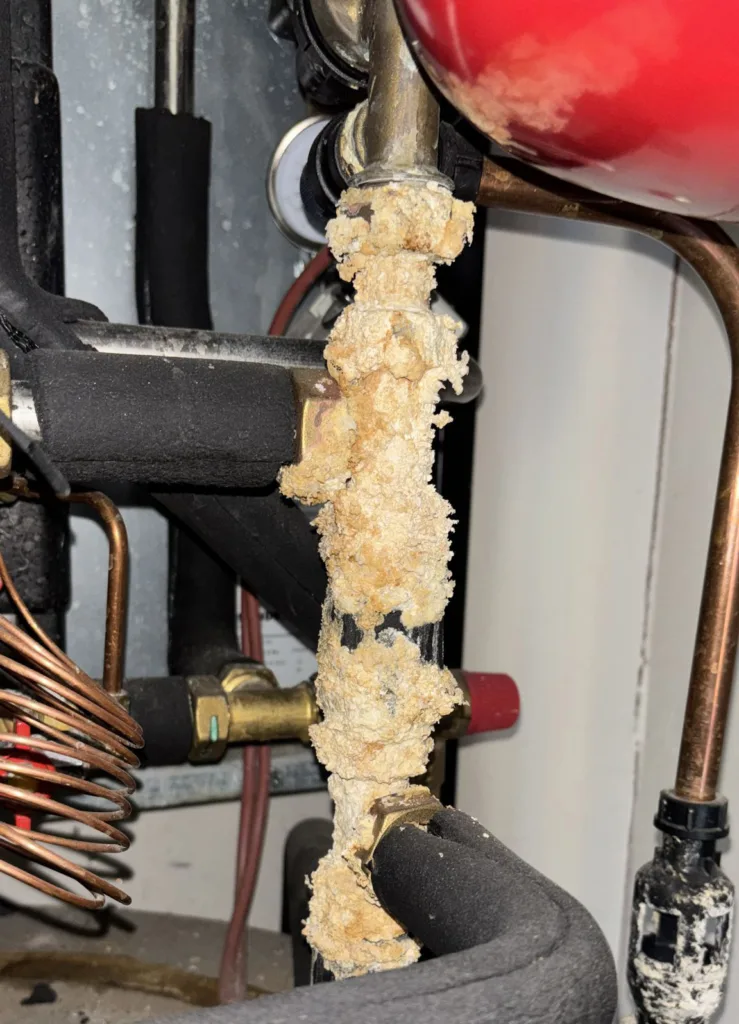
Reactive maintenance is unpredictable, disruptive and costly. When assets fail unexpectedly, organisations lose the ability to plan and control spend. Emergency works are carried out under pressure, often at premium rates, and rarely deliver the best long-term outcome.
Emergency boiler replacements, for example, often cost 30–40% more than planned upgrades once rapid procurement, premium labour and temporary heating arrangements are factored in. Reactive roof repairs can escalate quickly into major water-damage claims, affecting interiors, stock and operations. Ageing HVAC systems may appear to function, but they quietly consume far more energy than modern equivalents, increasing operating costs year after year.
Planned CAPEX allows organisations to control scope, timing and cost replacing assets before failure, phasing work sensibly and avoiding unnecessary disruption. Reactive maintenance removes that control and replaces it with urgency and uncertainty.
How Delaying CAPEX Impacts Business Continuity
At its core, CAPEX isn’t just about assets, it’s about operations. For offices, warehouses, industrial sites and multi-site estates, system failure can halt activity entirely.
Unreliable heating, cooling, drainage, power or building fabric affects staff comfort, productivity, safety and reputation. In mission-critical environments, the impact of failure can be immediate and severe.
This is why CAPEX risk, asset lifecycle planning and operational resilience are increasingly linked.
Planning Early Changes the Conversation
When CAPEX is planned early, everything shifts. Budgets become predictable. Projects can be phased sensibly. Energy efficiency improves. Compliance becomes easier to manage. Assets last longer because they’re replaced before failure.
Good CAPEX planning isn’t about spending more, it’s about spending at the right time, in the right places, with the right level of control.
Delaying CAPEX doesn’t remove the need for investment. It simply removes your ability to manage it strategically.
How FMS Can Support Your CAPEX Planning
FMS support organisations with end-to-end facilities management CAPEX planning, from asset condition surveys and end-of-life forecasting through to costed proposals, phased delivery and ongoing maintenance.
We work across commercial buildings and multi-site estates, supporting critical systems including HVAC, drainage, roofing projects and wider building infrastructure.
You can also explore our related insight here:
Why Now Is the Time to Plan Your 2026 CAPEX Projects
CAPEX decisions delayed today often become emergency decisions tomorrow.
If you’re reviewing ageing assets, managing compliance risk or preparing budgets for the year ahead, now is the right time to start the conversation.
Contact FMS to arrange a CAPEX planning session or site survey.
Email [email protected] or call us on 01908 034040.